LIner NOtes for At A DIner
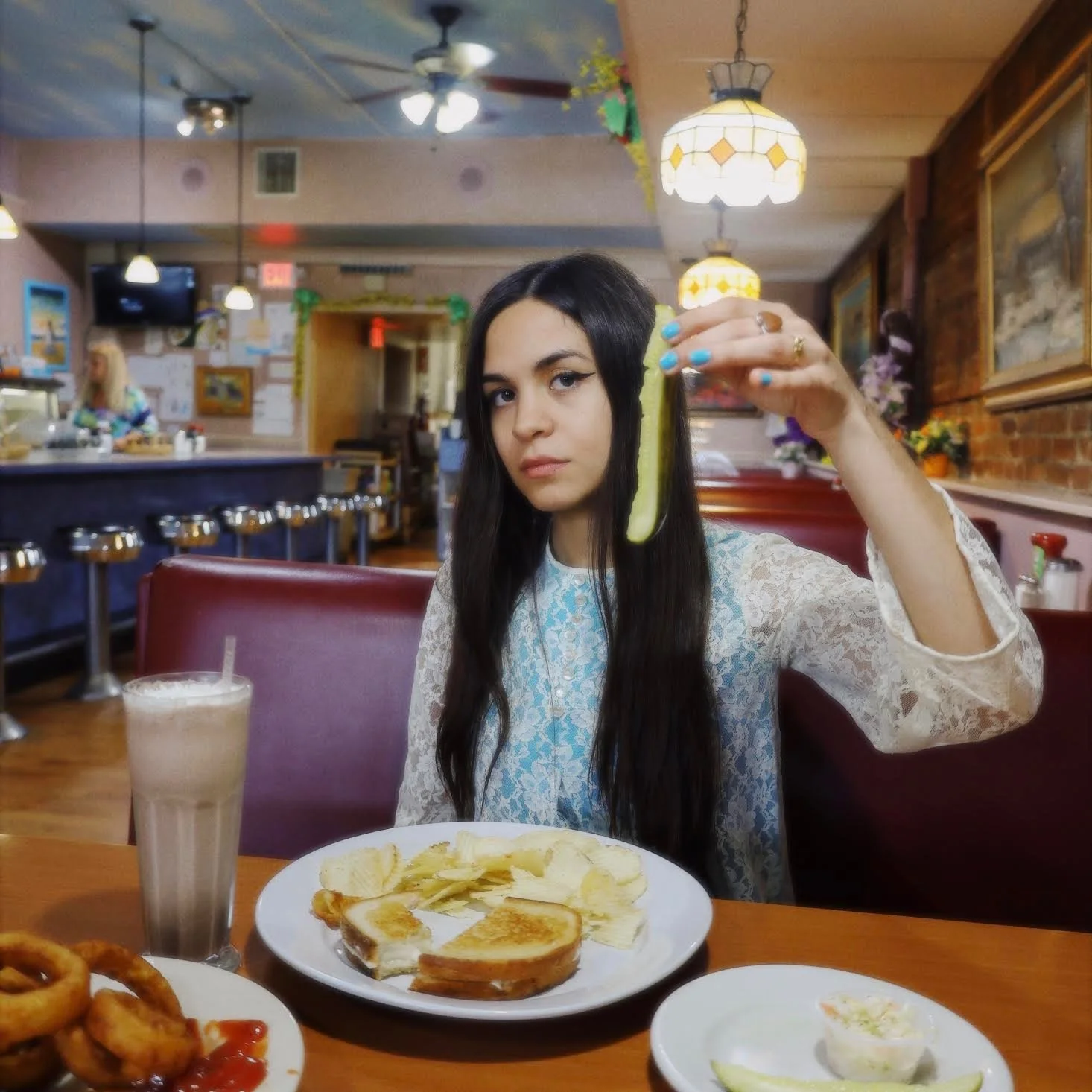
“At a Diner,” Storey Littelton’s self-produced, debut record, is a capsule of the illicit age-gap relationship she endured at the coda of her teenage years, and the venerable hometown that acted as a facilitator and third party to the romance. Now 23, Litteleton started writing the album as an 18-year-old, which included some of the first songs she had ever written. The album moves from anger to desire to culpability and back again, drawing from the musical attributes from her hometown of Woodstock, NY and the wave of pop exposure that hit her when she first fled to LA.
Currently New York-based, Littleton is very much a product of Woodstock: She went on tour as a child with her parents’ bands, was a constant at Levon Helm Studios, and nearly every musician that plays on the record was someone she either grew up alongside, or has known since she was a kid. While Littleton sings and plays guitar on every track (and occasionally piano, synth, and viola), she also utilizes a full band and a variety of instruments less-characteristic to a singer-songwriter album, including harp, french horn, and pedal steel, creating a lush sonic landscape.
Littleton tracked the majority of “At a Diner” in her parent’s home studio; her father, Daniel Littleton, is featured throughout, and her mother, Elizabeth Mitchell, gave feedback on each mix. Despite this, Littleton says that after reflecting on the tension created by her teenage relationship, lying to her mother is what made her a songwriter. She found herself in a situation where she couldn’t talk openly with those she always had previously, but by picking up her pen she found a way to communicate without judgment.
“I want someone to talk to/ Someone who knew someone like you,” Littleton pleads on “Nothing to No One,” and later, “I want someone to tell me/ Something to make this easy.” The songs of “At a Diner” were written as a refuge from the isolation of small-town secrecy and a manipulative man. Now, two years removed, she feels the speaker may as well be another person. Like the album’s closer predicts and prays for: “I’ll be nothing to no one again.”
The album elaborates on the feeling of emptiness created when one is in a consistently insecure state, and the inaccessibility between yourself and others that comes with doing what you are told is wrong. “Every night I choked on what to do,” she sings on the Judee Sill-inspired title track, emphasizing the anxiety of desperation, but ends the chorus with, “Oh, nothing could make me leave,” the ugly truth of teenage persistence headed towards disaster. There are moments of lightness outside the shadow of mixed feelings, like the Shangri-La-esque opening to “January,” a song that floats on the influence of ‘60s girl groups and ‘70s Joni Mitchell, and flashes of clarity, like the reflective “No Way,” where Littleton sings, “And I know there’s no stopping me/ When I know what I want,” uplifted by a flight of clarinets. A similar chamber feel is present on the opener “To Answer,” in which Littleton asks, “Do you really want me/ To answer?” It’s a moment that teases expectations, her voice feathery with guile as she gives the impression of powerlessness before standing tall.
“At a Diner” is the product of four years of growing pains in love and music tuned to the sound of guitar feedback and orchestral flurries. The result comes off as effortless; on “Quit It” Littleton sings, “It’ll be different when I’m done running, running, running away.” No longer fleeing, Littleton soars.
—Johanna Sommer
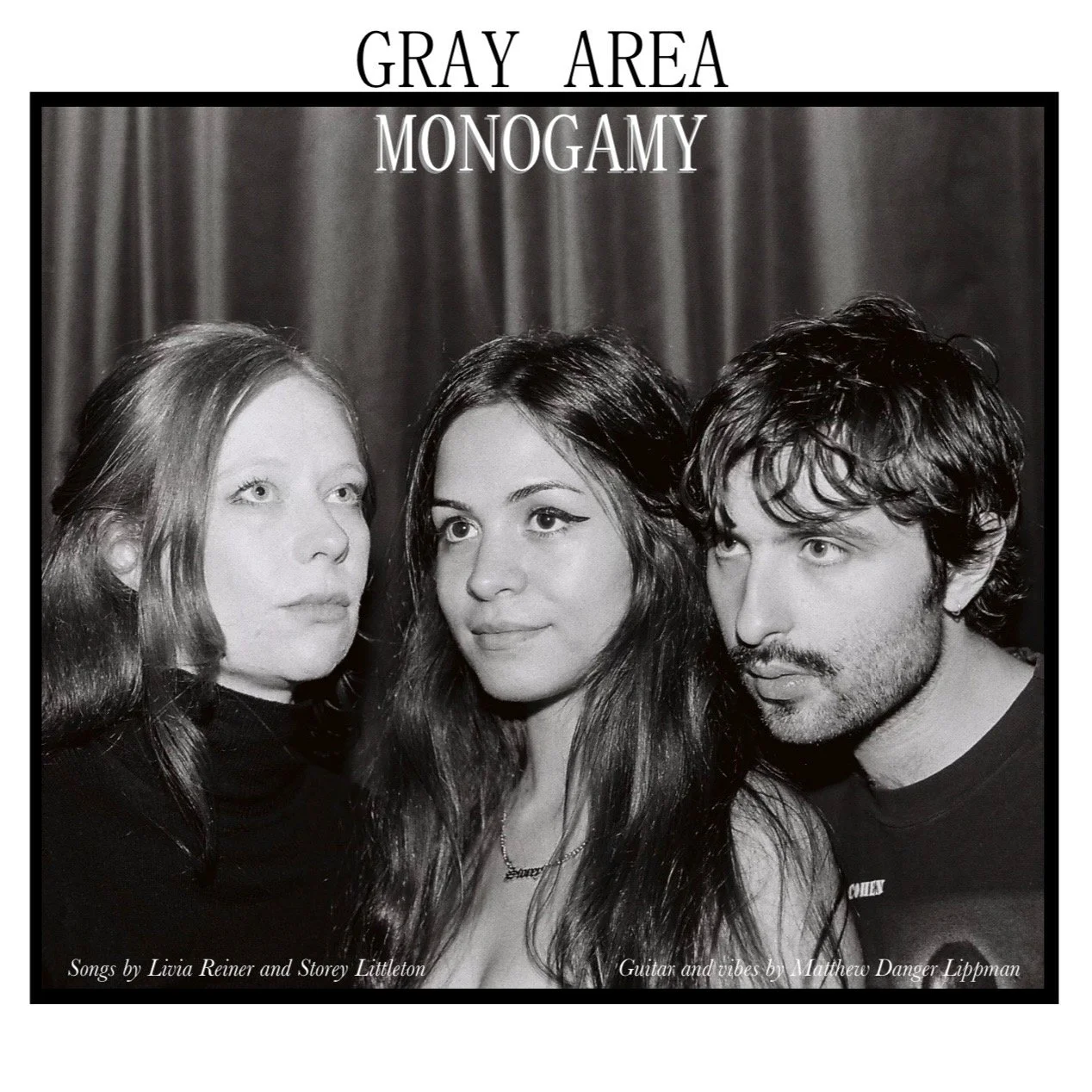
Storey Littleton, at 24, is already something of a music industry veteran: she has performed in bands since she was a pre-teen, getting nominated for a Grammy at age 10 (for contributing to her mother Elizabeth Mitchell’s children’s music album Blue Clouds), taking vocal lessons with Gene Ween, and, once, performing with Courtney Love at 17. Growing up in Woodstock, NY, she mastered several instruments, including guitar and piano, and became a sought-after instrumentalist in the local scene. Over time, she differentiated herself from the Woodstock folk scene with a darker melodic sensibility and bolder lyrics than her peers. Her band M0NOGAMY combined folk-rock with dark lyrics and bursts of noise, and became a New York live staple.
At A Diner, Storey’s first solo album, continues her foray into cutting, confessional songwriting. A true-blue concept album, At A Diner details her “somewhat controversial hometown relationship,” and the subsequent fall-out that caused her to leave home. Over 10 tracks, we hear about the disturbing teenage relationship between her and an older man, nicknamed “Johnny.” Details are murky but come through the fog: alt-pop anthem “Quit It” starts, “When I was 17, you sucked the life right out of me.” On “Nothing to No One,” she coyly mentions “look[ing] at old pictures, posing for you on a motel bed.” It’s not all regret, though; as she declares on the same song, “I want to f*** up / I know I’m supposed to.” Storey’s lyrics bob between these two poles, of pain and cutting irony. On “Worst of Everything” she sums up the dynamic nicely: “I don’t feel young / I’m glad that you had fun.”
The music on At A Diner, co-produced by Storey, Lee Falco, and Tara Jane O’Neil, traverses countless genres, from Kacey Musgraves-y alt-country (“At A Diner”) to grunge (“Worst of Everything”) and Carole King-esque soft rock (standout “January”). Storey put together an all-star band to realize her vision, incorporating Mikaela Davis, Jon Catfish Delorme (The Nude Party), Macky Bowman (the Bobby Lees), and her parents, Daniel Littleton and Elizabeth Mitchell (of 90s slowcore stalwarts Ida). The sound of the record expands on singer-songwriter pop, with harp, synthesizers, and guitar feedback. The result is a record of bruising lyrics and irresistible melodicism, a breakup record of anger and joy. As Storey sings on “No Way,” “I know there’s no stopping me / when I know what I want.” At A Diner makes it clear that, musically, Storey knows what she wants.
—Matthew Danger Lippman